Making Kindlefall
Kindlefall is a top-down action roguelite in your browser: Dark Souls meets Zelda meets Hades, with seven floors, five heroes, seven bosses and 200+ boons. This is how it was made, with AI teams and a lot of playtesting. Play it.

From Idea to Prototype
From five rooms and one boss to a three-floor roguelite: how the game took shape, and how we worked.
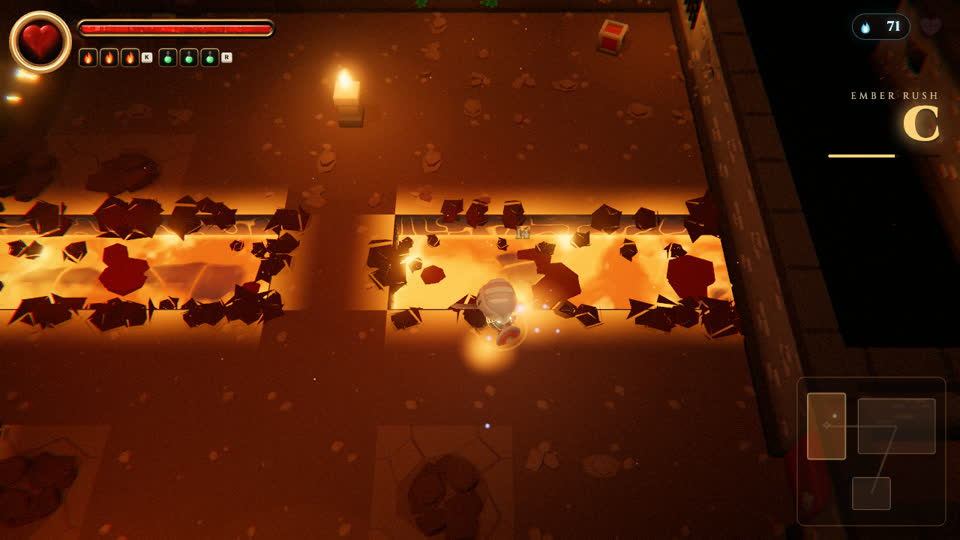
The overnight sprint
The turning point: the AI split into an orchestrator and specialist sub-teams, and the morning brought seven floors.
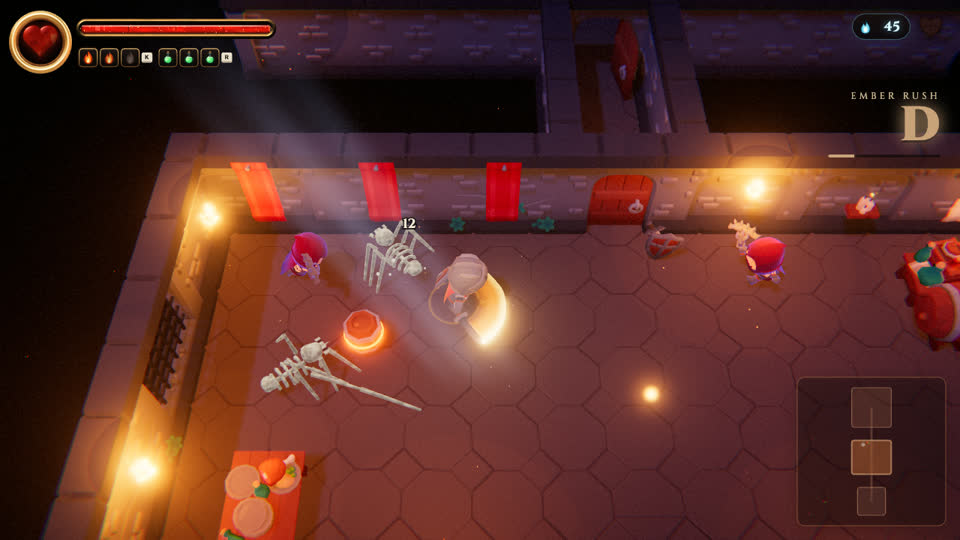
Floor by floor
Seven floors, seven identities: bone, ash, cold fire, lava, floodwater, storm and black glass.

Five heroes and the boon system
A knight, a barbarian, a rogue, a pyromancer and a skeleton, and the cards that make every run different.
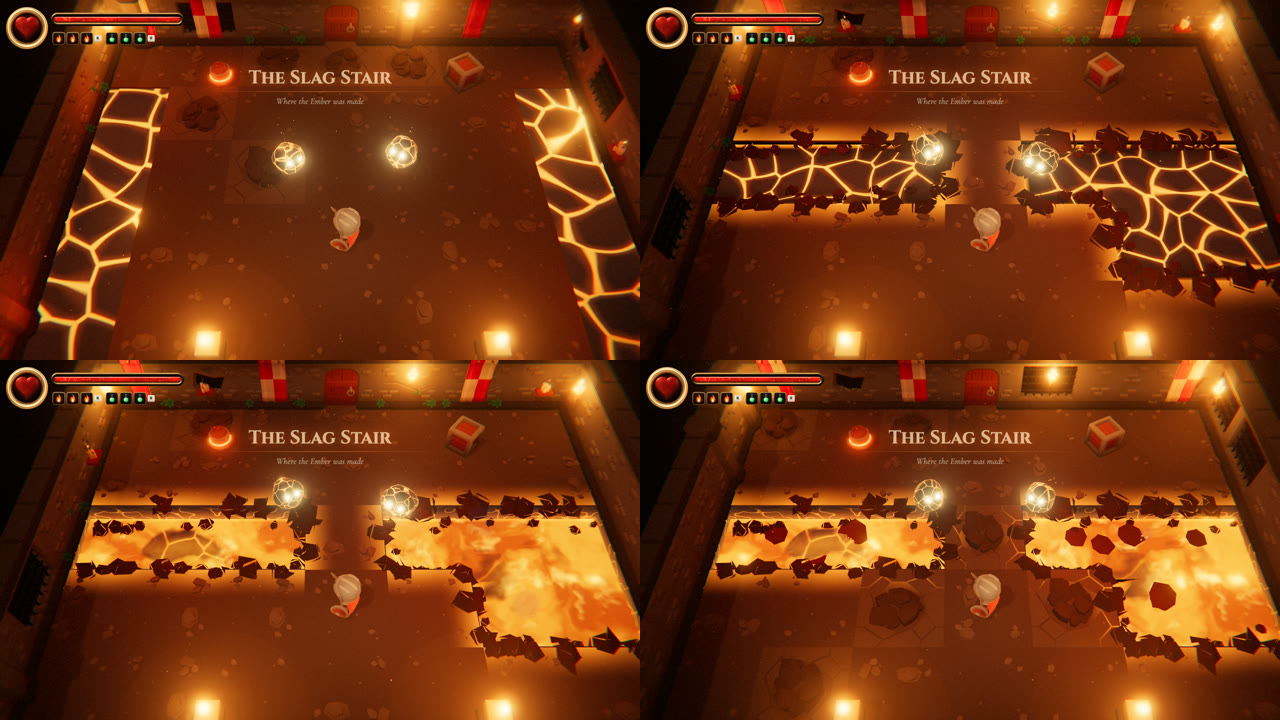
Playtesting: what the notes changed
How playtest notes steered every build: the lava, the flicker, the ending, the ripostes, the Pyromancer.
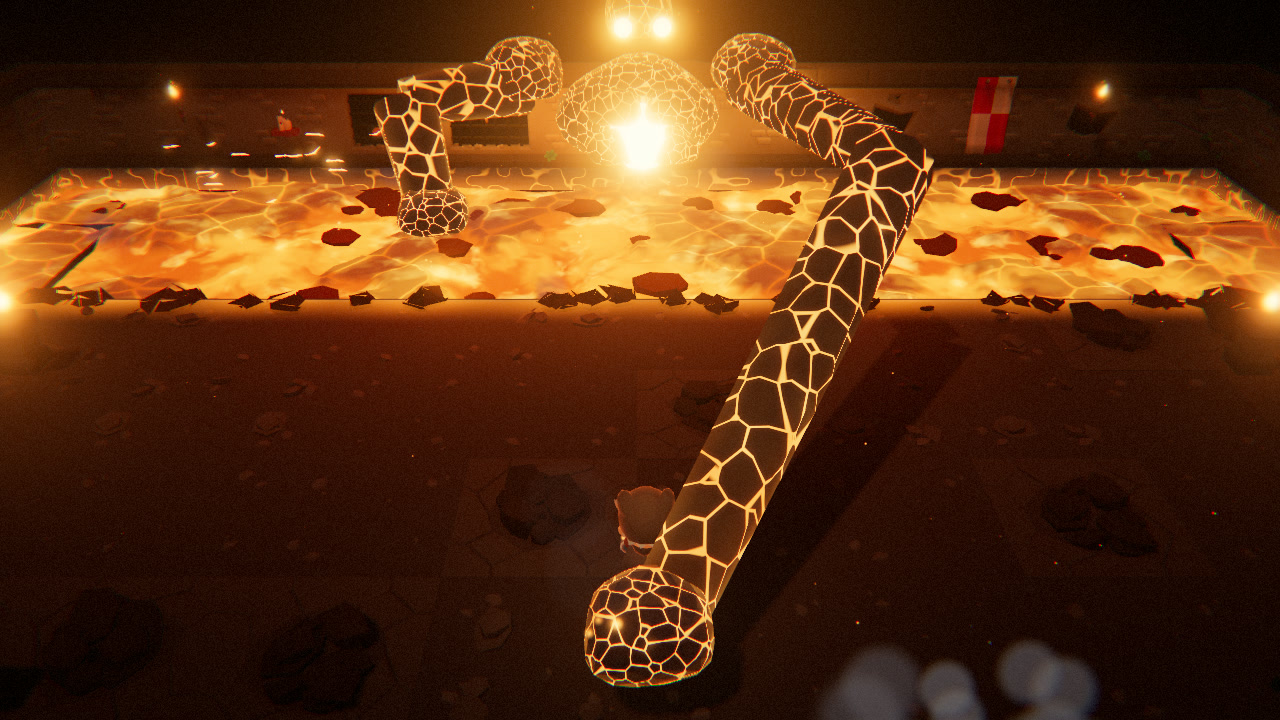
What made it good
The lessons, for the next game.

The Hearth, and making it fair for strangers
Permanent upgrades with no damage in them, colour-blind danger markings, text size, rebinding, and a hunt for memory leaks.

A new name: Kindlefall
Why the game has a new name, what the name means, and what changed in the game.
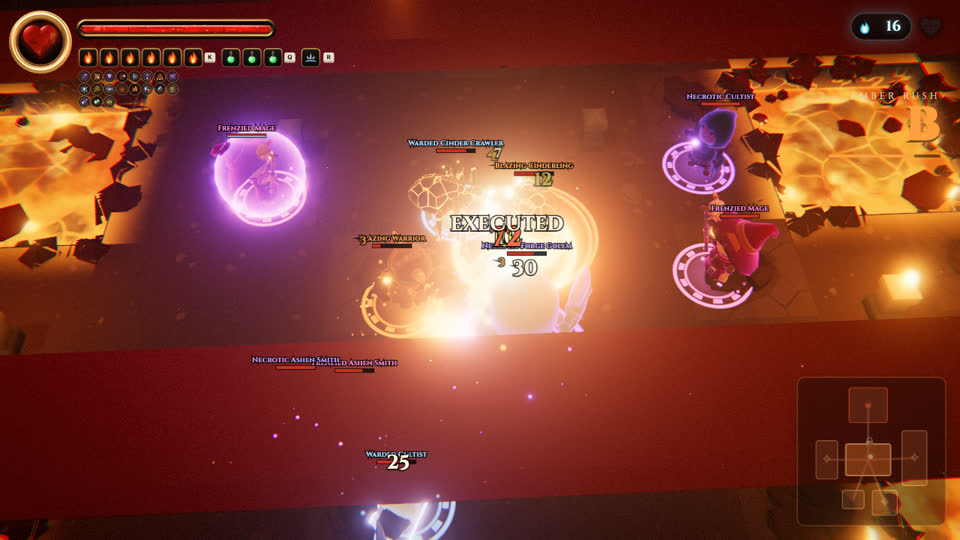
Hundreds of things on screen, and no stutter
How the game stays smooth on our test machine, with before-and-after Chrome profiles of old builds.
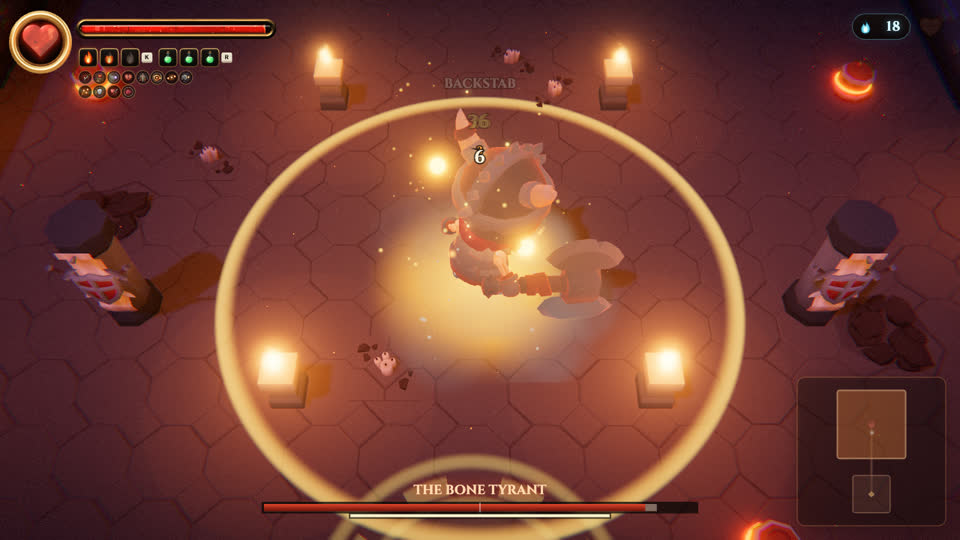
Bending time to make you feel powerful
Hit-stop, slow motion, executions and telegraphs: every place the game bends time, and why it feels good.
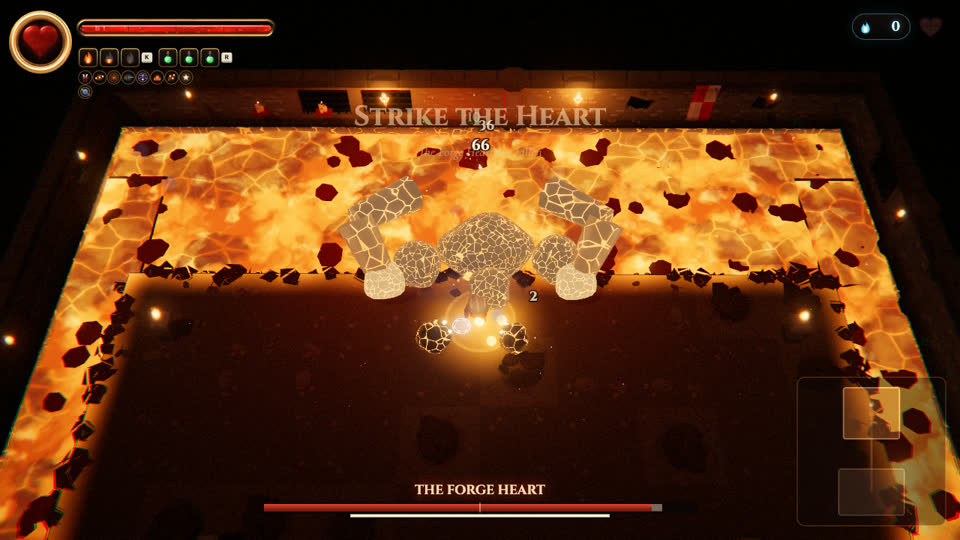
Warm, not white
Boss deaths that glow instead of blind, a colossus knocked to its knees, a thief who stops the world, music that rings out, and QA that reproduces everything.

Making the boons delight the eye
Five art directions tried on ten boons, and why the living icons won.
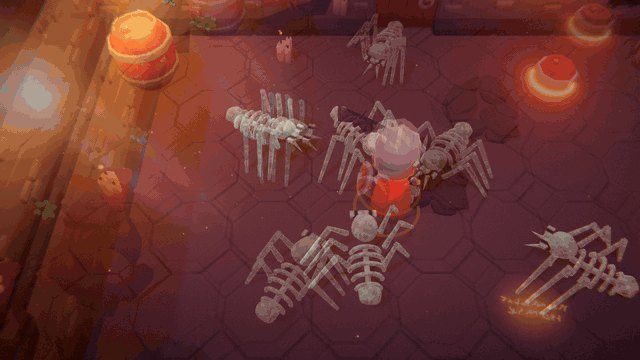
Art built in code
All 237 boon icons and a bestiary of monsters are code. Then a test: a code-built knight beside the real one.
In your browser, with a keyboard and mouse or a controller.